
Blog
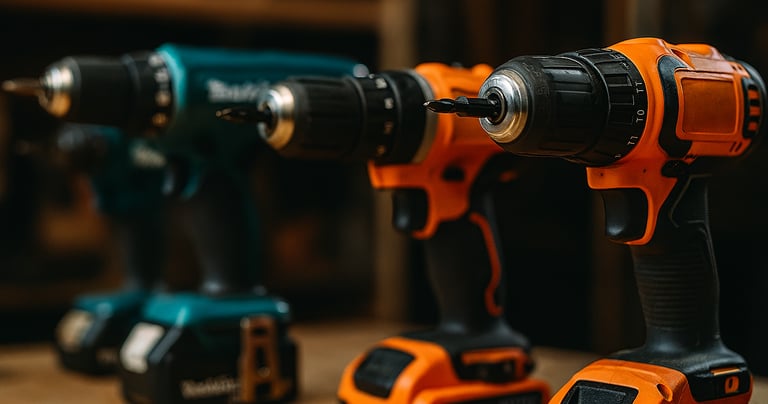
Buying a Cordless Drill: What Every Beginner Should Know
by Randy - November 20, 2025
If you’re starting out with DIY or home projects, a cordless drill is the first power tool you should own. It’s versatile, easy to use, and perfect for everything from hanging shelves to building furniture. But with so many models on the market, choosing the right one can be tricky. This guide breaks down the key features to look for so you can buy with confidence.
Voltage & Power: What You Really Need
12V drills are lightweight and great for light-duty tasks like assembling furniture or drilling into soft wood.
18V–20V drills offer more power and versatility, ideal for tougher jobs like drilling into studs or masonry.
👉 For most beginners, a compact 18V drill strikes the best balance between power and portability. See more..
Brushed vs. Brushless Motors
Brushed motors are cheaper but wear out faster.
Brushless motors are more efficient, quieter, and last longer.
👉 If budget allows, go brushless — it’s worth the upgrade for long-term use.
Key Features to Look For
Two-speed gearbox: Lets you switch between high torque (for driving screws) and high speed (for drilling).
Keyless chuck: Makes changing bits fast and tool-free.
Built-in LED light: Helps illuminate dark corners and tight spaces.
Battery indicator: Shows how much charge is left so you don’t get caught mid-project.
Battery Basics
Look for lithium-ion batteries with at least 1.5Ah capacity.
Consider buying a drill that’s part of a battery ecosystem — so you can use the same battery across multiple tools from the same brand.
👉 Brands like DeWalt, Makita, and Ryobi offer wide compatibility across their tool lines.
Drill Driver vs. Hammer Drill
Drill Driver: Perfect for wood, plastic, and light metal.
Hammer Drill: Adds a hammering action for masonry and concrete.
👉 If you plan to drill into brick or concrete, go for a hammer drill. Otherwise, a drill driver is lighter and more affordable.
Top Beginner Picks (2025)
Best Overall: Bosch GSB18V-65B12 — compact, powerful, and easy to handle
Best Budget: Black+Decker 20V MAX — affordable and reliable for light tasks
Best for Heavy Duty: DeWalt 20V XR — built for tough jobs and long sessions
Final Tips
Match the drill to your project needs — don’t overbuy on power if you’re just doing light work.
Choose a model with good ergonomics and balance — it’ll reduce fatigue and improve control.
Look for kits that include extra batteries, charger, and bits — they’re often better value than buying separately.
Bottom line: A cordless drill is your gateway to DIY success. With the right features and voltage, you’ll be ready to tackle everything from weekend fixes to full-on renovations.
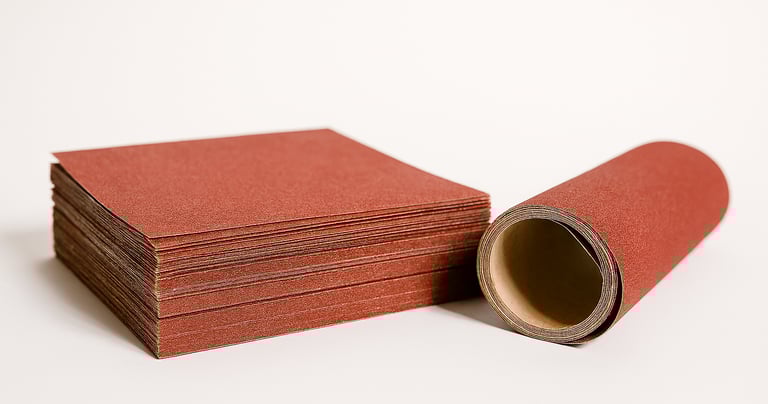
How to Buy Sandpaper: The Complete Beginner’s Guide
by Randy - December 14, 2025
Choosing the right sandpaper can feel confusing, but it’s one of the simplest ways to improve your DIY results. From smoothing rough wood to polishing metal, the right grit and material make all the difference. This guide breaks down grit sizes, abrasive types, coats, and formats so you’ll know exactly what to buy for your next project.
Grit Sizes Explained
Coarse (12–60 grit): Best for heavy material removal, stripping paint, or shaping rough wood.
Medium (80–120 grit): Great for everyday sanding, smoothing edges, and prepping surfaces.
Fine (150–220 grit): Ideal for finishing wood before staining or painting.
Extra Fine (320–600 grit): Used for polishing, delicate finishing, or sanding between coats.
👉 Tip: Start with coarse grit to remove imperfections, then move to finer grits for a smooth finish. See more..
Common Abrasive Materials
Aluminum Oxide: Durable and versatile, works on wood, metal, and plastic.
Ceramic: Extremely tough, perfect for aggressive sanding with power tools.
Garnet: Softer, produces a smooth finish, great for hand‑sanding wood.
Silicon Carbide: Sharp and fast‑cutting, excellent for paint or rust removal and wet sanding.
Emery: Popular for polishing and sanding metal surfaces.
Open vs. Closed Coat
Open Coat: Less abrasive coverage, reduces clogging. Best for soft woods like pine.
Closed Coat: Fully covered with abrasive, delivers smoother results on hardwoods and metals.
Sandpaper Formats
Sheets: Cut to size for hand sanding.
Discs: Designed for orbital sanders.
Belts: Fit belt sanders for large surfaces.
Blocks & Sponges: Flexible options for corners and curved areas.
Safety First
Wear eye protection and a dust mask.
Use gloves with power sanders.
Keep clothing fitted to avoid snags.
Quick Takeaways
Match grit size to your project stage.
Choose abrasive material based on surface type.
Decide between open or closed coat for clogging vs. smoothness.
Pick the right format for your tool or hand‑sanding needs.
Final Word: Sandpaper may look simple, but buying the right kind ensures smoother finishes, faster work, and professional‑quality results. Next time you’re in the hardware aisle, you’ll know exactly which grit and material to grab.
© 2026 GearAdvisorGuide
We participate in the Amazon Services LLC Associates Program and may earn fees by linking to Amazon and affiliated sites.